The 2026 electronics supply chain compliance requirements now determine three key business outcomes which include market access and investor confidence and enterprise risk management. The worldwide electronics industry must now demonstrate full compliance with REACH RoHS conflict minerals PFAS reporting and Extended Producer Responsibility regulations because these requirements have expanded across all global jurisdictional boundaries.
The electronics supply chain operational requirements exceed manual compliance processes because modern supply chains contain thousands of components which combine with ongoing regulatory changes and separate supplier databases to create perpetual audit and customs and product recall and customer disqualification risks. For enterprise leaders, compliance is no longer an operational afterthought—it is a board-level risk that directly impacts revenue continuity and strategic growth.
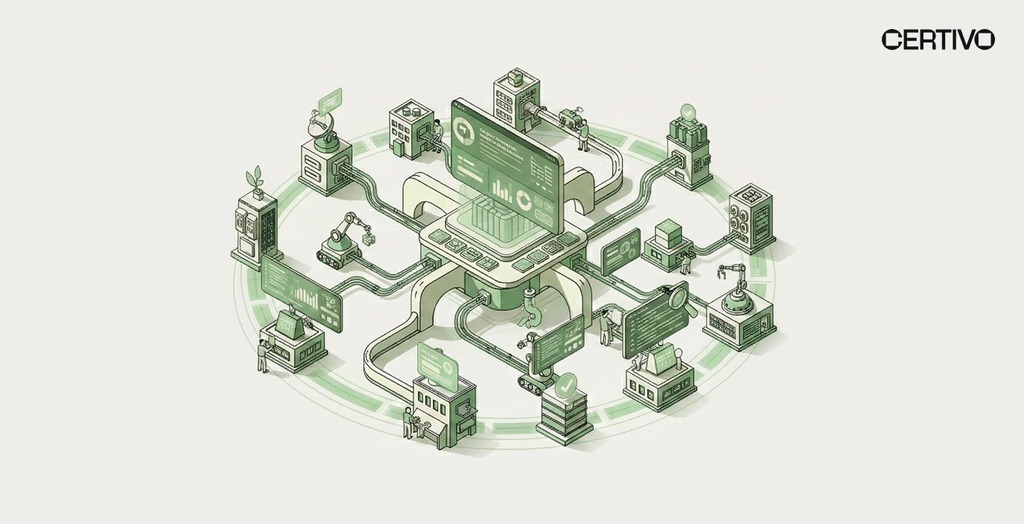
The electronics industry enables manufacturers to achieve ongoing audit-ready compliance through AI-based compliance automation which replaces their approach of creating documents in response to compliance requirements. Organizations achieve the necessary control and visibility operational needs to expand their business operations in international markets through their processes which automate supplier data collection and BOM-level compliance tracking and real-time regulatory change monitoring.
Certivo helps businesses create supply chains which meet market demands and comply with regulations through its AI-based compliance intelligence system and automation technology.
The complete analysis describes methods which electronics executives should use to establish future compliance systems for 2026 : https://www.certivo.com/blog-details/electronics-supply-chains-in-2026-automating-multi-tier-compliance-across-global-suppliers
Uploaded 1 week ago
Direct links
Image link
Image URL
Full image (linked)
Website (HTML)
Forums (BBCode)
Share image
Image information:
The 2026 electronics supply chain compliance requirements now determine three key business outcomes which include market access and investor confidence and enterprise risk management. The worldwide electronics industry must now demonstrate full compliance with REACH RoHS conflict minerals PFAS reporting and Extended Producer Responsibility regulations because these requirements have expanded across all global jurisdictional boundaries.
The electronics supply chain operational requirements exceed manual compliance processes because modern supply chains contain thousands of components which combine with ongoing regulatory changes and separate supplier databases to create perpetual audit and customs and product recall and customer disqualification risks. For enterprise leaders, compliance is no longer an operational afterthought—it is a board-level risk that directly impacts revenue continuity and strategic growth.
The electronics industry enables manufacturers to achieve ongoing audit-ready compliance through AI-based compliance automation which replaces their approach of creating documents in response to compliance requirements. Organizations achieve the necessary control and visibility operational needs to expand their business operations in international markets through their processes which automate supplier data collection and BOM-level compliance tracking and real-time regulatory change monitoring.
Certivo helps businesses create supply chains which meet market demands and comply with regulations through its AI-based compliance intelligence system and automation technology.
The complete analysis describes methods which electronics executives should use to establish future compliance systems for 2026 : https://www.certivo.com/blog-details/electronics-supply-chains-in-2026-automating-multi-tier-compliance-across-global-suppliers