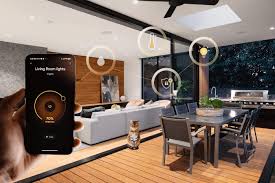
Home automation systems are technologies that allow homeowners to control, monitor, and automate various aspects of their household, often through smart devices and mobile applications. These systems bring convenience, efficiency, and security to daily living, transforming ordinary homes into smart homes.
Core Components
A typical home automation system includes a central hub or controller, connected devices, and a user interface—usually a smartphone app or voice-controlled assistant. Devices commonly integrated include smart lights, thermostats, door locks, security cameras, entertainment systems, and appliances. Communication protocols like Wi-Fi, Zigbee, Z-Wave, and Bluetooth ensure seamless connectivity between devices.
Challenges
Despite their advantages, home automation systems face certain limitations. High initial costs can be a barrier for many consumers. Compatibility issues between devices from different brands may cause integration problems. Additionally, privacy and cybersecurity remain critical concerns, as smart devices collect and transmit sensitive data over networks.
Future of Home Automation
The future of home automation is promising, with advances in artificial intelligence and machine learning enabling smarter predictive behaviors. Homes are expected to become more intuitive—automatically adjusting environments based on user habits and preferences. Integration with renewable energy sources and home energy management systems will further enhance sustainability.
Visit this website: https://networksnsecurity.com/services/smart-home-automation/
Uploaded 1 year ago