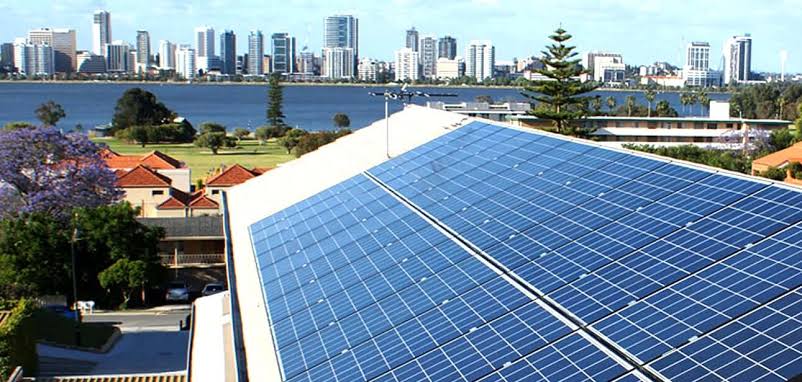
Electric vehicles are becoming a practical choice for households looking to reduce fuel expenses and adopt cleaner transportation. As EV ownership grows, charging at home is becoming increasingly important. A solar EV charger combines electric vehicle charging with solar power, allowing homeowners to use electricity generated from their own solar panels. Instead of depending entirely on grid electricity, drivers can charge their vehicles using renewable energy produced during the day. This approach can improve energy independence while supporting lower household energy costs. A well-planned solar EV charger setup can also make better use of excess solar generation that might otherwise be exported to the electricity grid. For households already considering renewable energy, combining solar generation with EV charging can create a more connected and efficient home energy system.
A solar EV charger works by directing electricity generated by a solar power system toward an electric vehicle. Solar panels produce electricity during daylight hours, while an inverter converts the generated power into usable household electricity. Depending on the system configuration, the available solar energy can be used by appliances, stored in a home battery, exported to the grid, or directed toward an EV. Smart charging technology can help manage this process by adjusting charging according to solar production and household demand. This means the vehicle can potentially receive more energy when solar generation is high. A solar EV charger can therefore help homeowners make greater use of their renewable electricity rather than relying on conventional grid power for every charging session.
One of the biggest advantages of a solar EV charger is the opportunity to reduce the cost of vehicle charging. Electricity generated by residential solar panels can be cheaper over the long term than purchasing all charging electricity from the grid, although actual savings depend on the solar system, electricity rates, vehicle usage, and charging schedule. Drivers who regularly charge during periods of strong solar production may be able to use more of their own generated electricity. Smart charging can make this even more convenient by automatically responding to changing energy conditions. Over time, a solar EV charger can become an important part of household energy management, particularly for people who drive regularly and have sufficient daytime solar generation.
Another important benefit is the environmental impact. Traditional electricity generation can involve fossil fuels, depending on the local electricity mix. Solar energy produces electricity without direct emissions during operation, making it a cleaner source for charging an electric vehicle. When an EV is charged using solar power, the connection between renewable energy generation and electric transportation becomes stronger. A solar EV charger can help households reduce their reliance on conventional energy sources while supporting broader efforts toward cleaner mobility. Although the environmental benefits depend on the complete lifecycle of the equipment and the electricity used, combining an EV with renewable energy can be a practical step toward a more sustainable household energy strategy.
Choosing the right solar EV charger requires consideration of several factors. The charger should be compatible with the vehicle and suitable for the home's electrical system. Charging speed is another important consideration because different EVs and chargers support different power levels. Homeowners should also examine their existing solar panel capacity, inverter specifications, available electrical capacity, and typical driving patterns. If most vehicle charging occurs at night, a home battery may complement the solar EV charger by storing excess daytime generation for later use. In contrast, drivers who work from home or regularly return during daylight hours may benefit from direct solar charging. Understanding these factors helps create a system that matches real household energy needs.
Installation quality also plays an important role in the performance of a solar EV charger. A qualified installer can assess the home's electrical infrastructure, solar generation, charger location, cable requirements, and safety considerations before installation. The charger should be positioned in a practical location that allows convenient vehicle access while protecting equipment from unsuitable environmental conditions. Proper electrical protection and system configuration are essential for safe and reliable operation. Homeowners should also consider future needs, such as purchasing another EV or increasing solar capacity. Planning for future energy demand can prevent unnecessary upgrades later and make the overall system more adaptable.
Smart features can make a solar EV charger more useful for modern households. Some systems can monitor solar generation, household consumption, grid electricity, and EV charging through a digital interface. These features may allow users to select charging schedules or prioritize renewable energy when available. Monitoring can also help homeowners understand how much electricity their vehicle consumes and how effectively their solar system is being used. With suitable energy management technology, a solar EV charger can work alongside solar panels, batteries, household appliances, and the electricity grid. This creates a more coordinated energy environment where electricity can be directed toward the most useful purpose at different times.
Before purchasing a solar EV charger, homeowners should compare the total system requirements rather than focusing only on the charger itself. The solar array, inverter, electrical installation, charger capacity, cable distance, and possible battery storage can all affect the final project cost. It is also useful to consider warranty coverage, equipment reliability, installation standards, and ongoing support. A lower upfront price may not always represent the best long-term value if the system lacks useful smart features or is difficult to expand. Getting a detailed assessment of existing solar generation and household electricity consumption can provide a clearer picture of the most suitable charging solution.
The future of home energy is increasingly connected, and electric vehicles can become more than just transportation. With suitable technology, an EV can form part of a broader household energy system. Solar generation can provide clean electricity, batteries can store surplus power, and smart charging can coordinate vehicle charging with energy availability. In more advanced systems, bidirectional charging may eventually allow compatible vehicles to send electricity back to a home or grid when appropriate. While availability and compatibility vary, these developments demonstrate how EV charging is evolving beyond simple plug-in charging. A solar EV charger is an important part of this transition because it connects renewable generation directly with everyday transportation needs.
In conclusion, a solar EV charger offers a practical way to connect electric vehicle ownership with renewable household energy. By using solar electricity for vehicle charging, homeowners can potentially reduce grid dependence, make better use of solar generation, and support cleaner transportation. The best solution depends on solar capacity, driving habits, vehicle requirements, electrical infrastructure, and future energy plans. With careful planning and professional installation, a solar EV charger can become a valuable part of a modern home energy system. As solar technology, EVs, batteries, and smart energy management continue to develop, integrated charging solutions are likely to become an increasingly common choice for households seeking efficient and sustainable energy use.
Read More:- https://www.tumblr.com/oscarstewart/825292135247085568/home-solar-battery-in-perth-smarter-energy
https://www.energy.gov.au/solar
Uploaded 2 months ago