The regulatory assessment for Massachusetts PFAS compliance in 2026 stands as the most difficult regulatory task which manufacturers and consumer product companies and all businesses operating in the state face. The MassDEP enforcement framework requires organizations to follow two separate tracks which include Toxics Use Reduction Act (TURA) requirements and statewide consumer product PFAS regulations while they must meet multiple reporting requirements and develop required plans and validate their suppliers and reformulate their products.
The Massachusetts PFAS compliance requirement has evolved from environmental issue which CFOs and CEOs and compliance officers treated as tactical solution into business risk that directly affects product development and market entry and supply chain operations and executive responsibility. The compliance requirements for businesses which use manual tracking methods and fragmented supplier information systems have increased because of three changes: removal of de minimis exemptions and expansion of PFAS substance lists and implementation of TURA reporting deadlines which begin on July 1 2026.
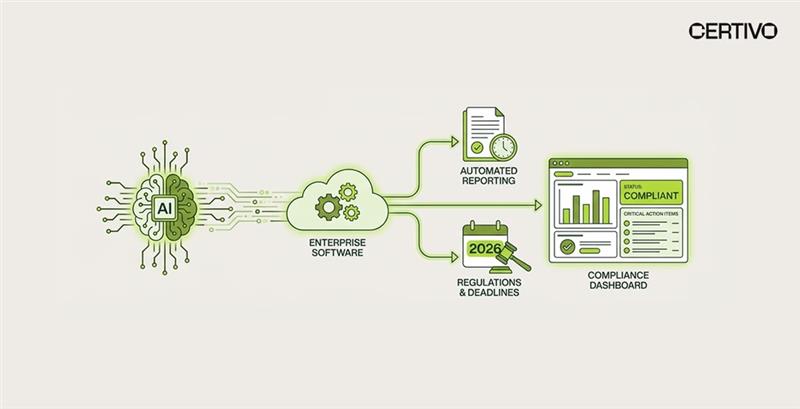
The guide presents all 2026 Massachusetts PFAS compliance changes and compliance requirements and AI-driven compliance automation benefits which help organizations handle their PFAS reporting and supplier declarations and audit readiness needs. Certivo provides enterprises with a solution that transforms PFAS compliance from regulatory burden into operational advantage because it offers automated tracking and centralized documentation and ongoing regulatory intelligence which organizations need to sustain compliance with changing state and federal PFAS rules.
To understand Massachusetts PFAS compliance in detail and see how enterprises can meet 2026 deadlines efficiently, read the full guide here:
👉 https://www.certivo.com/blog-details/massachusetts-pfas-compliance-2026-critical-deadlines-reporting-requirements-and-what-companies-must-do-now
Uploaded 2 months ago
Direct links
Image link
Image URL
Full image (linked)
Website (HTML)
Forums (BBCode)
Share image
Image information:
The regulatory assessment for Massachusetts PFAS compliance in 2026 stands as the most difficult regulatory task which manufacturers and consumer product companies and all businesses operating in the state face. The MassDEP enforcement framework requires organizations to follow two separate tracks which include Toxics Use Reduction Act (TURA) requirements and statewide consumer product PFAS regulations while they must meet multiple reporting requirements and develop required plans and validate their suppliers and reformulate their products.
The Massachusetts PFAS compliance requirement has evolved from environmental issue which CFOs and CEOs and compliance officers treated as tactical solution into business risk that directly affects product development and market entry and supply chain operations and executive responsibility. The compliance requirements for businesses which use manual tracking methods and fragmented supplier information systems have increased because of three changes: removal of de minimis exemptions and expansion of PFAS substance lists and implementation of TURA reporting deadlines which begin on July 1 2026.
The guide presents all 2026 Massachusetts PFAS compliance changes and compliance requirements and AI-driven compliance automation benefits which help organizations handle their PFAS reporting and supplier declarations and audit readiness needs. Certivo provides enterprises with a solution that transforms PFAS compliance from regulatory burden into operational advantage because it offers automated tracking and centralized documentation and ongoing regulatory intelligence which organizations need to sustain compliance with changing state and federal PFAS rules.
To understand Massachusetts PFAS compliance in detail and see how enterprises can meet 2026 deadlines efficiently, read the full guide here:
👉 https://www.certivo.com/blog-details/massachusetts-pfas-compliance-2026-critical-deadlines-reporting-requirements-and-what-companies-must-do-now