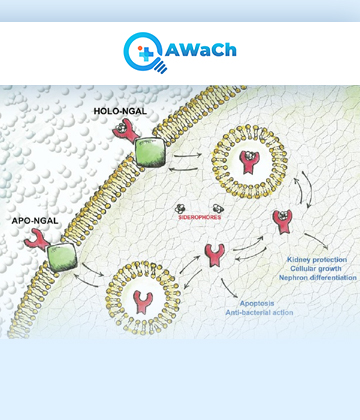
Neutrophil Gelatinase Associated Lipocalin is a protein that is primarily expressed in neutrophils, a type of white blood cell, as well as other cells such as kidney tubular cells.
One of the well-known applications of Neutrophil Gelatinase Associated Lipocalin is in the early diagnosis and monitoring of acute kidney injury (AKI). NGAL levels increase rapidly in response to kidney injury and can be detected in blood and urine. Measurement of uNGAL levels can aid in the early detection and prediction of AKI, facilitating prompt intervention and management. NGAL has also been studied in other conditions Neutrophil gelatinase-associated Lipocalin, such as cardiovascular diseases, sepsis, and various types of cancer. Its association with inflammation and tissue damage makes it a potential biomarker for assessing disease severity and prognosis. Research is ongoing to explore the full range of NGAL's functions and its potential as a diagnostic and therapeutic target in various medical conditions.
Uploaded 2 years ago
Direct links
Image link
Image URL
Full image (linked)
Website (HTML)
Forums (BBCode)
Share image
Image information:
Neutrophil Gelatinase Associated Lipocalin is a protein that is primarily expressed in neutrophils, a type of white blood cell, as well as other cells such as kidney tubular cells.
One of the well-known applications of Neutrophil Gelatinase Associated Lipocalin is in the early diagnosis and monitoring of acute kidney injury (AKI). NGAL levels increase rapidly in response to kidney injury and can be detected in blood and urine. Measurement of uNGAL levels can aid in the early detection and prediction of AKI, facilitating prompt intervention and management. NGAL has also been studied in other conditions Neutrophil gelatinase-associated Lipocalin, such as cardiovascular diseases, sepsis, and various types of cancer. Its association with inflammation and tissue damage makes it a potential biomarker for assessing disease severity and prognosis. Research is ongoing to explore the full range of NGAL's functions and its potential as a diagnostic and therapeutic target in various medical conditions.