Manufacturing companies begin their digital transformation projects by updating their ERP and PLM systems. The systems deliver operational efficiency improvements, but they do not solve the primary business problem of determining which products can enter global markets and remain there. Digital investments without compliance automation will create more non-compliant decisions which will hinder business growth.
The regulatory framework now requires organizations to manage more complex rules that apply across different jurisdictions and multiple supply chain levels and various chemical substances. The combination of manual compliance work and disorganized supplier information and last-minute audit readiness activities generates concealed dangers and prolongs the time it takes to enter new markets. The development of ERP and PLM systems did not include functions for controlling substance compliance requirements and handling regulatory changes and maintaining visibility across all supplier levels.
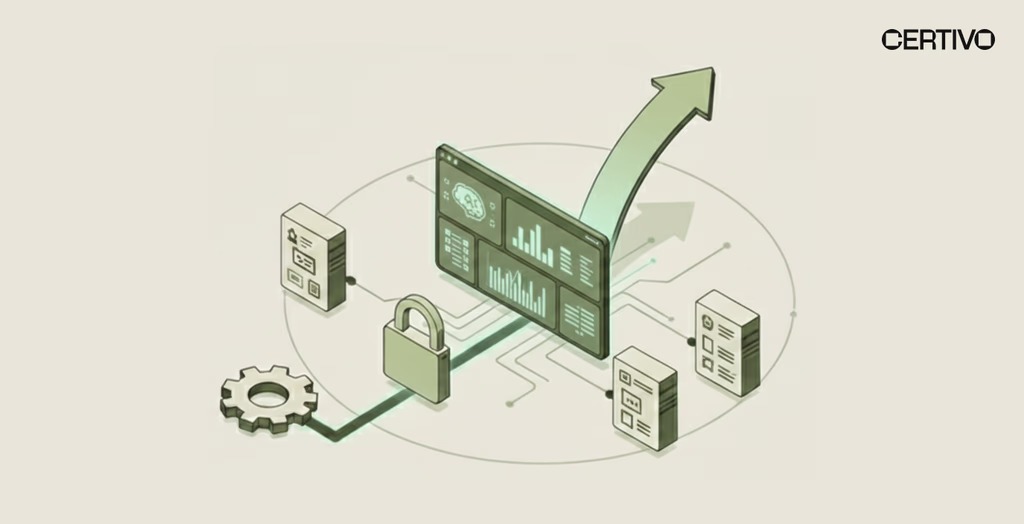
The process of compliance automation creates an intelligence layer, which serves as the fundamental requirement for digital transformation. Organizations achieve audit readiness and quicker product releases and more reliable market expansion decisions through the implementation of automated supplier data collection and real-time regulatory compliance monitoring and BOM-level compliance analysis. Organizations now use this method to transform compliance into a fundamental business function, which creates both revenue streams and business resilience.
Certivo supports this shift through AI-driven compliance automation that integrates with existing enterprise systems while providing regulatory intelligence they cannot deliver on their own.
Read the full analysis here:
https://www.certivo.com/blog-details/why-compliance-automation-is-the-first-step-in-digital-transformation-(not-erp-or-plm)
Uploaded 2 months ago
Direct links
Image link
Image URL
Full image (linked)
Website (HTML)
Forums (BBCode)
Share image
Image information:
Manufacturing companies begin their digital transformation projects by updating their ERP and PLM systems. The systems deliver operational efficiency improvements, but they do not solve the primary business problem of determining which products can enter global markets and remain there. Digital investments without compliance automation will create more non-compliant decisions which will hinder business growth.
The regulatory framework now requires organizations to manage more complex rules that apply across different jurisdictions and multiple supply chain levels and various chemical substances. The combination of manual compliance work and disorganized supplier information and last-minute audit readiness activities generates concealed dangers and prolongs the time it takes to enter new markets. The development of ERP and PLM systems did not include functions for controlling substance compliance requirements and handling regulatory changes and maintaining visibility across all supplier levels.
The process of compliance automation creates an intelligence layer, which serves as the fundamental requirement for digital transformation. Organizations achieve audit readiness and quicker product releases and more reliable market expansion decisions through the implementation of automated supplier data collection and real-time regulatory compliance monitoring and BOM-level compliance analysis. Organizations now use this method to transform compliance into a fundamental business function, which creates both revenue streams and business resilience.
Certivo supports this shift through AI-driven compliance automation that integrates with existing enterprise systems while providing regulatory intelligence they cannot deliver on their own.
Read the full analysis here:
https://www.certivo.com/blog-details/why-compliance-automation-is-the-first-step-in-digital-transformation-(not-erp-or-plm)